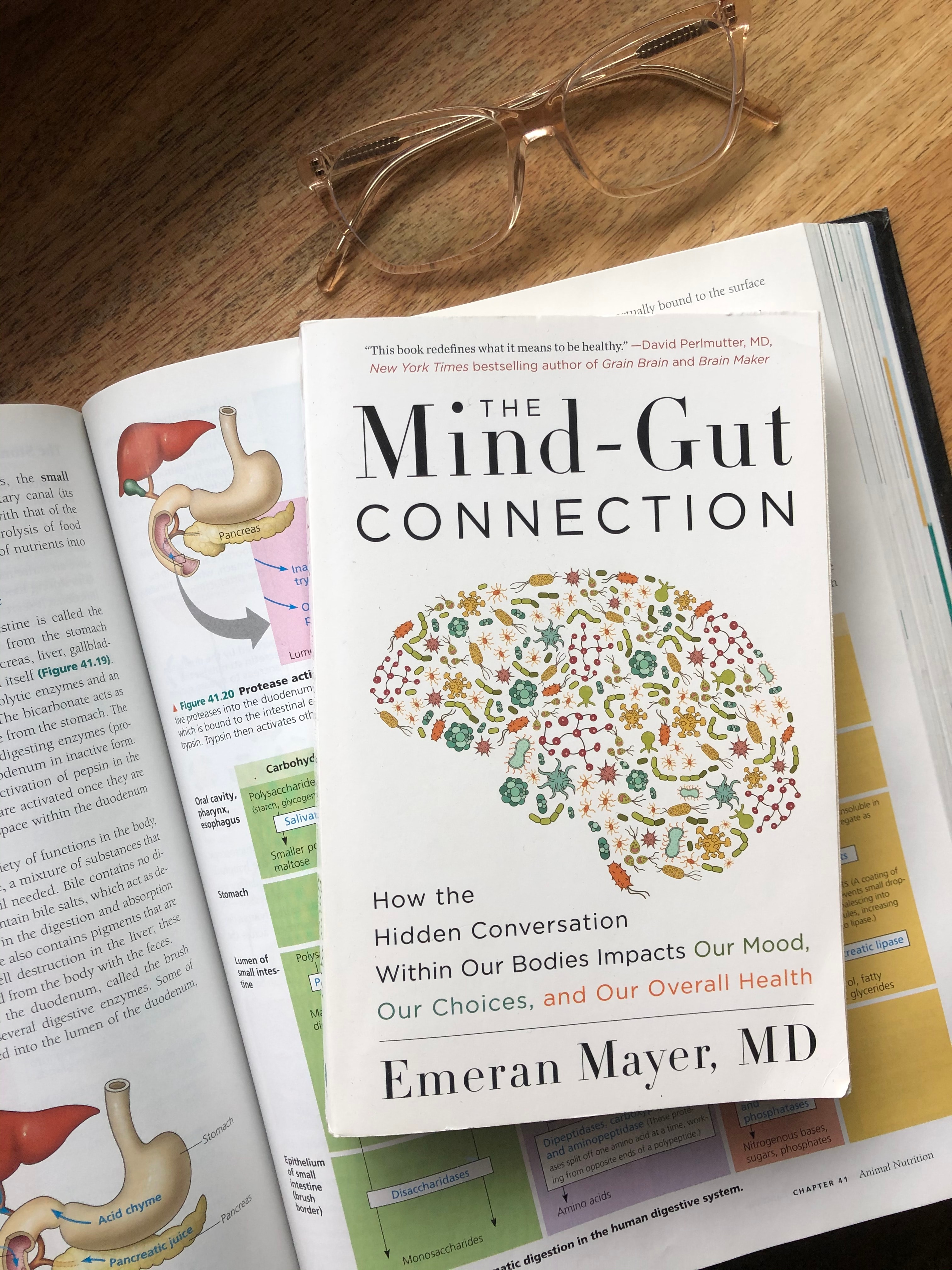
Have you ever had a "gut feeling" about something? Felt butterflies in your stomach before a big event? Lost your appetite when stressed? These aren't just expressions—they're evidence of the profound connection between your gut and your brain.
What Is the Gut-Brain Axis?
The gut-brain axis is a bidirectional communication network linking your gastrointestinal tract and your central nervous system. This isn't just a one-way street where your brain tells your gut what to do—your gut is constantly sending signals back to your brain, influencing your mood, thoughts, and even your behavior.
This connection happens through multiple pathways:
- The vagus nerve — a major highway of communication running from your brainstem to your abdomen
- Neurotransmitters — chemical messengers produced in both the brain and the gut
- The immune system — much of which resides in your gut
- The gut microbiome — the trillions of bacteria living in your digestive tract
Your Gut: The "Second Brain"
Your gut contains its own nervous system—the enteric nervous system—with over 500 million neurons. This is why scientists often call the gut the "second brain." It can operate independently of the brain in your head, controlling digestion and sending information upstream.
Perhaps most surprisingly, about 90% of your body's serotonin—the neurotransmitter associated with mood, happiness, and well-being—is produced in your gut, not your brain. This helps explain why digestive issues so often coincide with mood disturbances like anxiety and depression.
How Stress Affects Your Gut
When you're stressed, anxious, or overwhelmed, your brain sends alarm signals throughout your body—including to your gut. This can:
- Slow or speed up digestive motility
- Increase intestinal permeability ("leaky gut")
- Alter the composition of your gut microbiome
- Reduce blood flow to the digestive tract
- Suppress the production of digestive enzymes
This is why you might experience digestive symptoms during stressful periods—even if you haven't changed what you're eating. Your nervous system state directly affects your gut function.
How Your Gut Affects Your Brain
The communication flows both ways. An unhealthy gut can send distress signals to the brain, contributing to:
- Anxiety and depression — gut inflammation and dysbiosis (microbial imbalance) are linked to mood disorders
- Brain fog and difficulty concentrating — often connected to gut issues
- Fatigue — poor nutrient absorption and chronic inflammation take a toll
- Sleep disturbances — gut bacteria influence melatonin production
- Increased stress response — an inflamed gut can make you more reactive to stress
The Microbiome's Role
Your gut microbiome—the community of trillions of microorganisms living in your digestive tract—plays a starring role in the gut-brain connection. These bacteria:
- Produce neurotransmitters like serotonin, dopamine, and GABA
- Manufacture vitamins essential for brain function
- Regulate inflammation throughout the body
- Communicate directly with the vagus nerve
- Influence the integrity of the blood-brain barrier
When your microbiome is diverse and balanced, it supports both digestive and mental well-being. When it's disrupted—through poor diet, stress, antibiotics, or other factors—both gut and brain can suffer.
Supporting the Gut-Brain Connection
Because the gut and brain are so interconnected, supporting one often means supporting both. Here are key strategies:
Nourish Your Gut
- Eat a diverse, fiber-rich diet to feed beneficial gut bacteria
- Include fermented foods like sauerkraut, kimchi, and yogurt
- Minimize processed foods, sugar, and artificial additives
- Consider an anti-inflammatory approach, removing common triggers like gluten and dairy
Calm Your Nervous System
- Practice stress management techniques daily
- Prioritize sleep—it's when your gut repairs and your brain detoxifies
- Eat in a calm, relaxed state (not while stressed, rushed, or distracted)
- Consider nervine herbs that support both gut and nervous system
Support the Vagus Nerve
- Deep, slow breathing — especially with a longer exhale
- Cold exposure — even splashing cold water on your face
- Humming, singing, or gargling — these activate vagal tone
- Gentle movement — yoga, walking, stretching
The Takeaway
If you're struggling with digestive issues, it's worth looking at your stress levels and nervous system health. If you're dealing with mood issues, anxiety, or brain fog, your gut may hold important clues.
Healing the gut-brain axis isn't about treating gut and brain as separate—it's about recognizing that they're part of one interconnected system. When we support this connection, we often see improvements in both digestive symptoms and mental well-being.