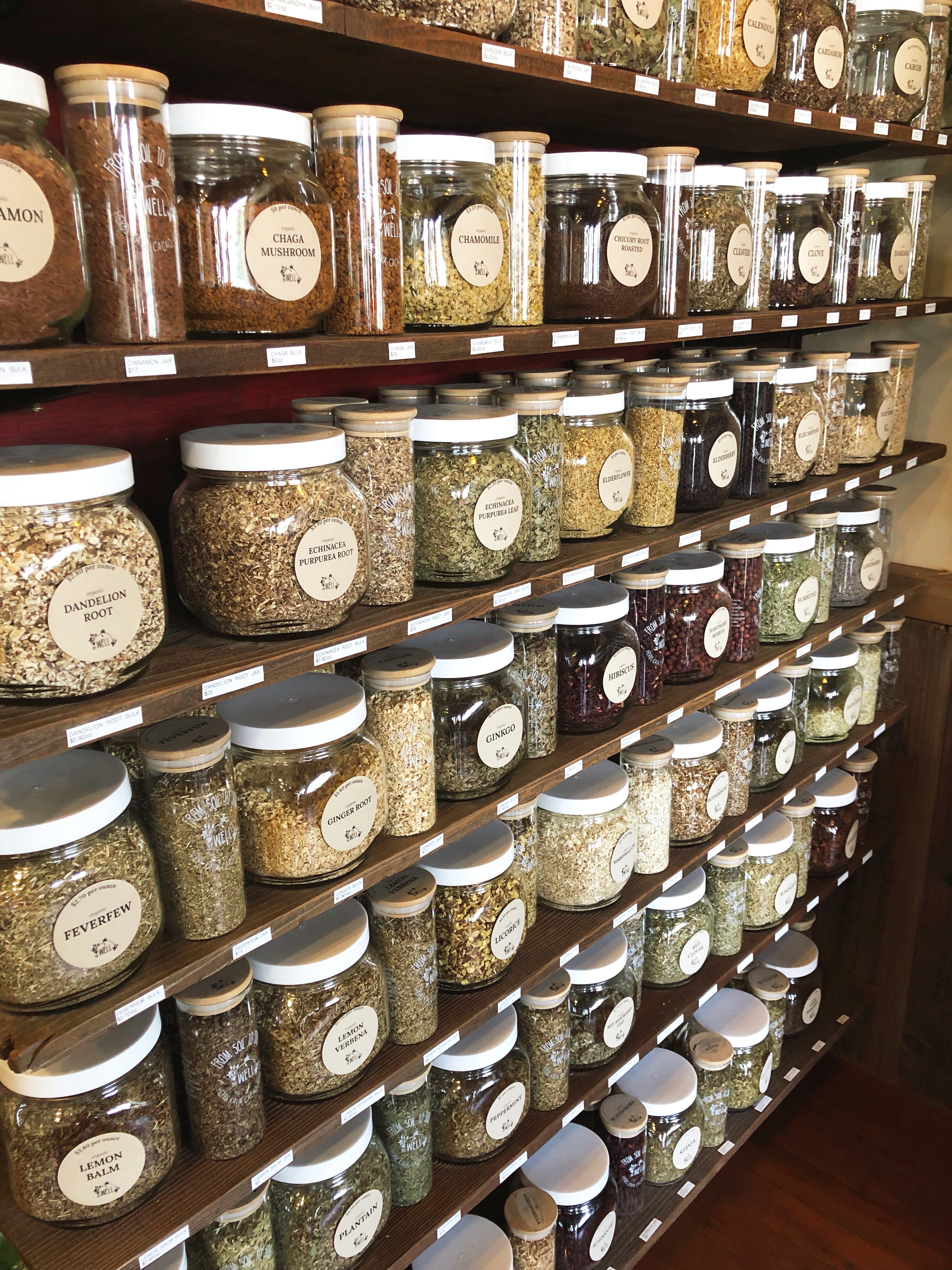
In our fast-paced world, our nervous systems are constantly under siege. What many people don't realize is that nervous system dysregulation can be at the root of seemingly unrelated symptoms: digestive issues, skin problems, histamine intolerance, hormonal imbalances, and sleep disturbances.
What Are Nervines?
Nervines are a category of herbs that specifically support the nervous system. They've been used for centuries to calm, nourish, and restore balance to our stress response. Unlike pharmaceutical sedatives, nervines work gently with your body's natural rhythms.
There are three main types:
- Nervine relaxants — Ease tension and promote calm without drowsiness
- Nervine tonics — Nourish and strengthen the nervous system over time
- Nervine stimulants — Gently uplift and energize
How Nervous System Dysregulation Affects Your Health
Digestive Issues
Your gut and nervous system are intimately connected through the vagus nerve. When you're in a stressed state:
- Digestion slows or becomes erratic
- Stomach acid production decreases
- Gut motility changes, causing constipation or diarrhea
- The gut lining becomes more permeable ("leaky gut")
Many people with IBS, bloating, or reflux find their symptoms improve dramatically when they address nervous system health.
Skin Issues
Stress hormones trigger inflammation, increase sebum production, and impair the skin's barrier function. Chronic stress can contribute to:
- Acne and breakouts
- Eczema and psoriasis flares
- Rosacea
- Hives and unexplained rashes
Histamine Intolerance
When your nervous system is dysregulated, mast cells become more reactive, your body produces more histamine, and the enzyme that breaks it down (DAO) can be impaired. Many people notice symptoms worsen during stressful periods.
Hormonal Imbalances
Your nervous system and endocrine system are deeply intertwined through the HPA axis. Chronic stress leads to:
- Elevated cortisol, suppressing thyroid function
- Disrupted ovulation and menstrual irregularities
- Lowered progesterone (your calming hormone)
- Reduced melatonin production
Sleep Disturbances
A dysregulated nervous system affects your ability to fall asleep, sleep quality, cortisol rhythm, and often causes middle-of-the-night waking (2-4 AM when cortisol spikes).
The Best Nervine Herbs
A note on herbal support: While these herbs are generally gentle and well-tolerated, they're not one-size-fits-all. Herbs can interact with medications, may not be appropriate during pregnancy or breastfeeding, and some may not be right for your unique constitution or health situation. What works beautifully for one person may not be the best fit for another. I always recommend working with a qualified practitioner who can help you choose the right herbs for your body.
Ashwagandha
An adaptogenic nervine tonic that helps reduce cortisol and builds resilience to stress over time. Best taken consistently over weeks to months. Note: Ashwagandha is in the nightshade family, so it may not be a good fit for those with nightshade sensitivity.
Lemon Balm
A gentle nervine relaxant that eases anxiety, supports stress-related digestion, and calms a racing mind. Gentle enough for children.
Passionflower
One of the most effective herbs for quieting an overactive mind. Helps with racing thoughts, sleep, and anxiety without next-day grogginess.
Chamomile
More than just a bedtime tea—it soothes digestion, eases tension, and supports healthy inflammation response.
Milky Oats
One of the best nervine tonics for deep nourishment of a depleted nervous system, especially helpful for burnout recovery.
Skullcap
A powerful nervine relaxant for tension headaches, muscle tightness from stress, and circular worried thinking.
Holy Basil (Tulsi)
A sacred Ayurvedic herb that lifts mood while calming anxiety, supports healthy cortisol levels, and promotes mental clarity.
Blue Vervain
A nervine relaxant particularly suited for type-A personalities who carry tension in their neck and shoulders and have trouble letting go. It helps release physical and mental tension, supports digestion affected by stress, and can ease the perfectionist tendency to overdo. Often called the herb for people who "try too hard."
Beyond Herbs
Nervines work best as part of a holistic approach:
- Breathwork — Even 5 minutes activates the parasympathetic nervous system
- Gentle movement — Walking, yoga, or stretching helps discharge stress
- Nature exposure — Time outdoors naturally calms the nervous system
- Boundaries — Sometimes the most important medicine is saying no
Supporting your nervous system isn't selfish or a luxury—it's foundational to healing and showing up as your best self.
Want personalized herbal guidance?
Choosing the right herbs for your body isn't always straightforward. I can help you navigate which nervines and adaptogens are the best fit for your unique situation—and build a holistic plan that supports your nervous system from multiple angles.
Book a Free Call